35 Genius Ways To Reduce Maintenance Costs In Your Salt Lake City Rental Property

35 Genius Ways To Reduce Maintenance Costs In Your Salt Lake City Rental Property

If you own a rental in SLC, you know how important maintenance and repairs are in maintaining the value of your property, and generating cash flow month after month. However, without a proper plan for ongoing maintenance, tenants become unhappy, repairs can snowball, and ultimately this cuts into your profits.

35 Genius Ways To Reduce Maintenance Costs In Your Salt Lake City Rental Property

If you’re wondering how much to budget for maintenance, check out this recent blog post we published.

Here are some tips you can use to minimize your rental property maintenance costs:

1. Conduct regular preventive and proactive maintenance inspections.

2. Respond quickly to any tenant maintenance requests.

3. Invest in energy efficient appliances like refrigerators, dishwashers and washing machines.

4. Implement a thorough tenant screening process.

5. Create and follow seasonal maintenance checklists.

6. Develop long-term relationships with reliable and cost-effective vendors.

7. Educate your tenants on the proper use and care of appliances and features in the property.

8. Replace older, single-pane windows with more energy efficient windows.

9. Install a programmable thermostat to reduce energy consumption.

10. Use low maintenance and durable materials for flooring.

11. Regularly clean and maintain the home’s HVAC system, including changing the air filters.

12. Install fixtures that save water, like low-flow shower heads and toilets.

13. Invest in a preventive pest control plan to reduce possible property damage.

14. Use caulking and weather stripping to improve the home’s energy efficiency in extreme weather.

15. Replace incandescent lighting with LED bulbs or fixtures.

16. Ensure proper insulation in the property’s attic, walls and basement.

17. Regularly clean out the gutters and downspouts to prevent water damage on the home’s foundation.

18. Reduce energy consumption with smart home devices and timers.

19. Use higher quality paint to lengthen the life of the pain, and extend the time between repainting during tenant turnover.

20. Conduct proactive maintenance on the home’s plumbing system.

21. Use similar fixtures and materials for easier replacements between multiple properties.

22. Get the roof regularly inspected, maintained and repaired when necessary.

23. Use outdoor motion sensor lighting to reduce electricity usage.

24. Use durable and easy to clean surfaces in high traffic areas like hallways, the kitchen and bathrooms.

25. Conduct quick external inspections of the property on a regular basis.

26. Use water wise and drought resistant landscaping to reduce water costs.

27. Install ceiling fans to reduce air conditioning and heating costs, and improve air circulation.

28. Consider implementing a tenant incentive program for reporting maintenance issues early.

29. Use technology to monitor and optimize energy consumption across the property.

30. Treat indoor and outdoor wooden structures to prevent rot, sun decay and insect damage.

31. Maintain window coverings to prevent sun damage inside the home and keep the property cool.

32. Use high quality and durable hardware for doors and kitchen cabinets.

33. Regularly inspect the home’s foundation to identify problems before they become catastrophic.

34. Use solar powered light fixtures outdoors to reduce energy costs.

35. Use property management software to automate the process of work orders and vendors.

“I had a client needing some assistance with their rental property and Scott was great to work with. He asked thoughtful questions about their goals for the property and took time to explain each step. This made it easy to plan for what to expect using their services, which was valuable for a first time landlord. ASPM has been in business for over 10 years and has a well designed system. I look forward to referring more clients Scott’s way!”
– Trevor T.


How Much Can I Rent My House For?

How Much Can I Rent My House For?

Today, we’re discussing rent levels and what you can expect to get for your rental property in Salt Lake City. This information is crucial for investors and owners to have before they buy a property or list it on the rental market.

Rental prices are influenced by location

Rental prices, like any other real estate or commercial business, are heavily influenced by location. When a property owner asks me how much they can charge for rent, the first question I ask is about the property’s location. It has a huge impact on how you price your rental.

Rental prices are dependent on the property’s size

Next, your price will depend on the number of bedrooms you have. The number of bathrooms is also important, but tenants primarily look for enough bedrooms to fit their families. Square footage and bedroom count are almost as important as location.

The condition of the property affects how much rent you can charge

Finally, the condition of the property affects how much you can charge in rent. Tenants look for clean, functional kitchens and expect to see some updates. As a house ages, it incurs wear and tear, which can drive your rent down. Many owners are reluctant to spend money on updates and improvements, but it’s worth it in the long term. A house that looks worn and old will rent for much less than a modern, clean one. If you don’t upgrade from time to time, you’ll lose rental income.

Take a look at what your neighbors are charging for rent. If you’re getting less than they are for a property of the same size and in the same location, it’s likely due to the home’s condition, and you should consider investing in some improvements.

If you want to discuss what you can expect for your particular property, please contact us! We are a Salt Lake City property management company, and would be happy to provide more information about current rent levels in your area.

The Landlord’s Guide To Rental Inspections And Tenant Accountability In Salt Lake

The Landlord’s Guide To Rental Inspections And Tenant Accountability In Salt Lake

When it comes to inspections, we always tell property owners that the most important interaction with tenants is the walk through inspection.

This happens once you have collected the security deposit and the lease is signed.

Most property owners miss this important step, but without a complete move-in inspection report, it’s difficult to hold your tenants accountable for the condition of the property at the end of their lease.

The Landlord’s Guide To Rental Inspections And Tenant Accountability In Salt Lake

The Move-In Inspection

Make sure to have a standardized inspection form for this part of the process. It helps to make sure you’re consistent with each of your properties, and that the record of the property’s condition is well documented at the start of the tenancy. This form also serves as a reference point throughout the lease and during the move-out inspection.

What happens during a move-in inspection?

The move-in inspection is where you’ll walk through the property with the tenant, and allow them to actively participate in the process. This collaborative approach will ensure both parties come to agreement on the property’s condition.

When you go through each area, document any existing damage or issues. If you find minor problems during this part of the inspection, you may want to address them soon. Creating a work order and fixing the issues immediately can actually go a long way to build respect and trust with your new tenant.

How often should a landlord inspect a rental property in Salt Lake City?

This is a question we often hear at Advanced Solutions Property Management, and our standard response is this: regular inspections throughout the lease period are important to ensure lease compliance, and maintain the good condition of the property.

There are a few quick external checks you can complete during a monthly drive-by inspection:

  • A large number of cars parked outside the property
  • Visible damage to the exterior of the property
  • General cleanliness and maintenance of the landscaping
  • Aluminum foil on the windows

These quick inspections will help you find potential problems early and address them with the tenant quickly.

The Move-Out Inspection

When the lease is finished, this is when you’ll want to conduct a full move-out inspection, using the same form you used during the move-in inspection.

However, this time the landlord or property manager will hold the form and lead the inspection process.

Note any changes between the current condition and the state of the property during move-in, and indicate damages and cleaning issues on the checklist. Be as detailed and thorough as possible, documenting everything from the cleanliness of the carpet to the condition of the window coverings.

What are some common issues found during move-out inspections?

We recommend having a standardized price list for the common damages and cleaning issues during the move-out process, which can help streamline the process of deducting the costs from the security deposit.

This list should be incorporated into your inspection form, and help tenants understand the costs incurred from damage or inadequate cleaning.

Here are some of the common issues we find:

  • Carpet damage and stains
  • Wall damage like scuffs, holes and unapproved paint
  • Broken window blinds
  • Broken light fixtures

By clearly documenting any of these issues (or others you discover) and having the costs for repairs and cleaning recorded, you create a clear process that can help reduce any disputes or misunderstandings with tenants.

What are the benefits of rental property inspections for landlords in SLC?

There are several advantages we see with thorough and regular inspections:

  • Helps to maintain the property’s good condition
  • Reduces the chance of disputes over deductions to the deposit
  • Sets clear and realistic expectations for tenants over care of the property
  • Allows for quick identification and resolution of problems

How can a property management company help with rental inspections?

While it’s true that individual rental property owners can implement all of the above inspections, we think the expertise that a Salt Lake City property management company can offer is invaluable. They will typically have:

  • Established inspection procedures
  • Standardized checklists and forms
  • Knowledge of Utah rental laws and regulations, especially concerning inspections and security deposits
  • Experience with assessing the property’s condition

Also, because we’re a third party, a property manager can provide a completely objective perspective, which helps in keeping a professional relationship between you the property owner, and then tenant.

Implementing standardized inspection practices can help property owners better protect their investments, ensure fair treatment of each tenant, and hopefully leave a great rental experience for all parties involved.

Fall Rental Property Maintenance Checklist Salt Lake City Utah

Fall Rental Property Maintenance Checklist

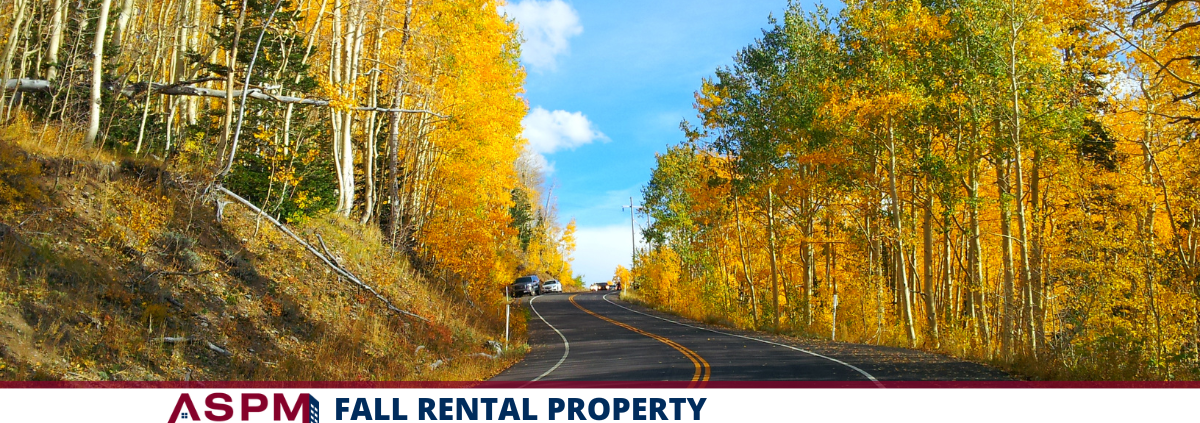
The Fall season in Salt Lake is here, and as a landlord the fall months are a great time to take stock of your rental property. It’s also a good time of year to plan for upcoming winter weather and potential maintenance issues that might arise during the next few months.

Fall Rental Property Maintenance Checklist Salt Lake City Utah

1. Prepare for the cold

Preparing for the colder seasons is an important part of your fall maintenance checklist. It’s also one of the most overlooked, but it can be quite costly if you don’t take care of things now.

Prevent pipes from freezing: Pipes are at their weakest if they freeze, so it’s important to prepare a few months ahead of time by wrapping them with foam pipe insulation or heat tape (if you’re using a hot water heat system).

Insulate exposed pipes: You should also insulate any exposed pipes in case they aren’t already insulated by the floors above them. If necessary, consider adding additional layers of protection like pipe wrap or heat tape around these vulnerable areas. Make sure HVAC systems are working properly: You’ll want to check that your HVAC systems are running efficiently before winter arrives because this will help keep heating costs down as much as possible during those cold months.

2. Protect your HVAC system

The last thing you want is for your HVAC system to fail in the middle of a cold winter. Make sure that it’s in good shape by checking and cleaning the filter every month, inspecting for damage, keeping the area around the unit free of debris (if there’s water pooled up anywhere near it, that can damage the unit), and checking for leaks.

3. Winterize your windows and doors

To ensure that your rentals are weather-tight and cosy, you should make sure that all windows and doors are insulated. Check for drafts around windows, at the base of doors, and anywhere else where there’s a gap between the door or window frame and the wall. If a draft is present, you can use caulk to seal it off; otherwise, consider installing weather stripping to keep out cold air in winter and hot air in summer. This can be done easily with a heat gun (useful for shrinking metal).

4. Inspect your roof for damage

As you walk along your property, take a look at the roof. If there are any missing shingles or signs of wear and tear, it’s important to have these repaired as soon as possible so that they don’t cause further damage to the structure or its inhabitants. If you see water damage on any part of your roof, call an experienced roofer immediately because this can lead to mold growth in other areas of the house.

5. Take care of your gutters and downspouts

Gutters are an important part of your home, because they catch water runoff from rain and snow. If these areas aren’t maintained regularly, it can cause issues later on by causing leaks in the ceiling or wall. To prevent this from happening, you’ll want to make sure that your gutters are clean every year before wintertime comes around again.

Downspouts should also be cleaned out regularly as well because they channel rainwater into pipes that lead away from your house. If there’s debris caught inside such as leaves or pine needles then this could clog up drainage pipes which will lead to flooding problems inside your home during storms when it rains heavily outside

6. Seal your open crawl spaces and attic

As the temperatures drop and winter approaches, you should make sure that your rental properties have been properly insulated. If there are any open crawl spaces or attics, they must be sealed with insulation to prevent moisture buildup and costly repairs. If your rental property has an attic, use a vapor barrier between the top of the space and its ceiling in order to prevent moisture from getting into any wood structures within it.

7. Inspect your landscaping

With the leaves falling, you may not feel like your yard is quite as green anymore. But if you have any dead or dying plants left in your landscaping, now is a good time to get rid of them. They won’t look great during the winter months, and can be unsightly to potential renters during springtime.

If you live in an area that gets snow and ice, make sure to keep an eye on your shrubs and trees as well—they’re even more susceptible to damage than lawns during this time of year! Your flowers will also need extra attention from now until springtime—spend some time mulching around their roots so they don’t dry out too much over winter months (and replace any bulbs or seeds that did not bloom).

8. Schedule a chimney inspection and sweep

One of the most important places to check is your chimney. This is because a chimney can be extremely dangerous if it doesn’t function properly, and it can also lead to serious health problems due to carbon monoxide poisoning. If you have a wood-burning fireplace or an oil-heated boiler, you need to make sure that the venting system is working smoothly by scheduling an annual inspection and sweep. This means that someone will go into your chimney and check for cracks in the flue tile or bricks, as well as damage caused by animals or birds nesting in there (this happens!). Also make sure that there aren’t any obstructions preventing proper airflow throughout this system; otherwise, it might not work properly!

9. Check smoke detectors, carbon monoxide alarms and fire extinguishers

We recommend testing the smoke detectors and carbon monoxide alarms every month. Test both with a smoke detector pen or other device, then change the batteries if they’re old (or mark them with tape as “out of service” if you don’t have any new ones). The CO alarm should be tested monthly by pressing the test button, then resetting it when you’re done.

Test your fire extinguishers by checking that they have not expired. If they have expired, replace them immediately!

As the fall season approaches and you start to think about regular maintenance on your rental property, it’s important to keep in mind that not all properties are the same. While some may require only a few simple tasks, others may need more extensive attention. The key is knowing what each step means so you can prioritize accordingly.

If this seems overwhelming, don’t worry! We’d love to talk with you about how to rent your property in Salt Lake.

How To Set The Right Rent Price

To set the right rent price, we recommend researching your market to learn what the fair market rent price is in your area. Pricing your rental at the rent price that makes sense in your location can mean the difference between vacancies and attracting good tenants so you can rent your property quickly. You can also use online applications such as Rentometer to help guide your rental rates.

As you set your rent price, you should keep in mind how it affects your financials. After all, rent payments are your main source of income on your rental property. To compare your rental income to your rental expenses, you should list your fixed and estimated expenses. Fixed expenses are your mortgage payment, property taxes, insurance fee, and HOA fees. Your variable expenses are utilities, repairs, and property improvements. By comparing income to expenses, it’s easier to see how rent price affects your monthly revenue.

There’s no point in setting the right rent price if you have tenants who don’t pay on time, which is why the next tip is critical.