 Book a Free Property Management Consult
 (801) 820-0806
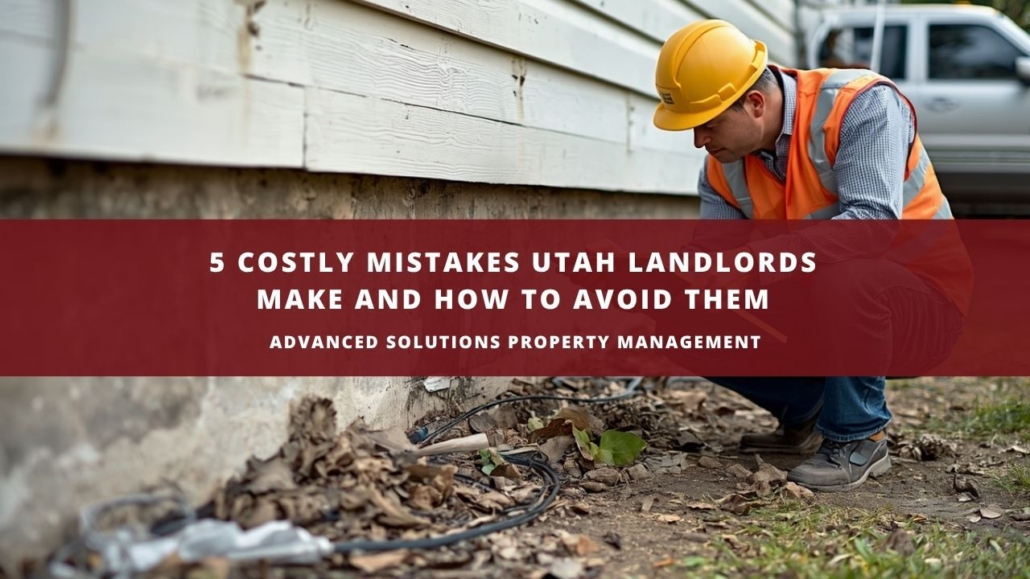
5 Costly Mistakes Utah Landlords Make and How to Avoid Them
Owning rental property should create steady income, not constant surprises. But for many landlords, profit gets chipped away by a handful of common mistakes that seem minor at first and become expensive later.
That is especially true in markets like Salt Lake and Davis County, where rental demand can be strong, but expectations around property condition, responsiveness, and tenant quality are high. At Advanced Solutions Property Management, one of the patterns that comes up most often is that struggling rentals are not usually undone by one big mistake. They are hurt by a series of smaller decisions that affect cash flow, maintenance costs, vacancy time, and tenant stability.
1. Buying the Wrong Property
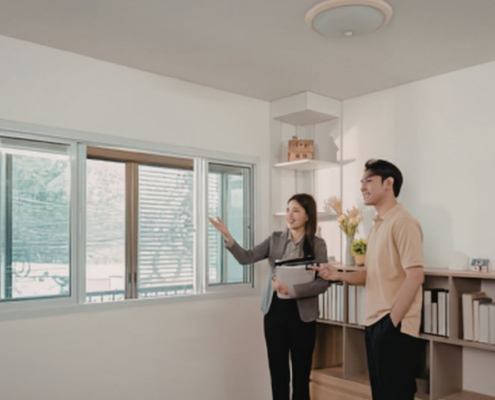
A low purchase price does not always mean a smart investment.
Some landlords buy a property thinking they found a great deal, only to realize later that the home needs major repairs, has poor layout issues, attracts weaker tenant demand, or requires more ongoing maintenance than expected. What looked affordable on the front end starts draining money after closing.
A rental property should be evaluated based on more than price alone. Long-term performance matters more than the initial deal. That includes the age of major systems, neighborhood fit, rental demand, expected upkeep, and how quickly the property can be leased at a healthy rate.
Many investors use income property evaluation factors to look beyond the sale price and decide whether a property makes sense as a rental over time.
What to review before you buy
Before purchasing a rental, landlords should carefully consider:
- Condition of the roof, HVAC, plumbing, and electrical systems
- Renovation costs and make-ready timeline
- Neighborhood demand and tenant appeal
- Realistic rent potential
- Ongoing maintenance profile
- Whether the property fits their management style and budget
The wrong property creates problems that show up everywhere else, from maintenance headaches to longer vacancy periods.
2. Skipping Tenant Screening

Few mistakes are more expensive than placing the wrong tenant just to fill a vacancy quickly.
When screening is rushed or inconsistent, landlords increase the chances of late rent, lease violations, property damage, and expensive turnover. A longer vacancy can be frustrating, but a bad placement often costs much more.
Strong tenant screening is really about reducing uncertainty. Income verification, rental history, credit review, and background checks all help landlords make better decisions and apply standards consistently.
This is also where many owners start asking practical questions about process and cost, especially when they are managing a property themselves for the first time.
tenant screening cost’s for landlords are often part of that decision, particularly for owners trying to balance thorough screening with operating costs.
background checks most landlords use are another important part of building a system that is detailed, consistent, and efficient.
Many owners also rely on rental property due diligence as part of a more disciplined screening process that protects the investment from preventable tenant issues.
3. Neglecting Regular Property Inspections

Inspections are one of the simplest ways to protect a rental property, yet many landlords avoid them until something goes wrong.
Without regular inspections, small maintenance issues can go unnoticed, lease violations can grow into larger problems, and damage may not be discovered until move-out. At that point, repair costs are often higher and documentation is harder to prove.
Routine inspections help landlords stay informed about the true condition of the property. They also create a clearer record of how the home is being maintained over time.
What inspections help catch early
A good inspection process can uncover:
- Minor damage before it worsens
- Leaks, moisture, or ventilation issues
- Unauthorized occupants or pets
- Safety concerns
- Signs of deferred maintenance
- Cleanliness or housekeeping issues that may affect the property condition
A practical inspection mindset focuses less on appearance and more on habitability, safety, and functionality. That is one reason many landlords look to property inspection standards focused on health and safety when thinking about what should be checked consistently.
4. Delaying Maintenance Repairs

Delayed maintenance is one of the fastest ways to turn a manageable issue into an expensive one.
A small leak, faulty disposal, loose handrail, or appliance problem may not feel urgent in the moment. But rental homes do not usually get better with time. Minor issues tend to spread, especially when water, HVAC, plumbing, or electrical systems are involved.
There is also a tenant side to this. When repairs are delayed, trust drops. Tenants become less satisfied, communication gets harder, and renewal odds often go down. What started as a repair issue can become a retention issue.
Landlords who respond quickly usually spend less over time because they are solving problems while they are still contained. They also protect the condition of the asset and reduce the chance of emergency repairs, which are often more disruptive and more expensive
5. Mishandling Tenant Turnover

Turnover is expensive even when it is handled well. When it is handled poorly, it eats into profit fast.
Some landlords wait too long to prepare the property, delay marketing, overprice the rental, or spend too much time trying to find a perfect tenant while the home sits vacant. Every extra week without rent affects annual performance.
The best turnover process is not rushed, but it is organized. Landlords should already know what condition standard the property needs to meet, what repairs or cleaning need to happen, how quickly vendors can complete the work, and what rent the market will realistically support.
For many owners, this is the stage where self-management starts to feel heavier than expected. Coordinating repairs, inspections, leasing, and follow-up takes real time. That is why many landlords eventually compare those demands against rental property management costs.
Vacancy loss is often more damaging than owners expect
A vacant property does not just lose rent. It can also create:
- Utility and holding costs
- More wear during repeated showings
- Delayed cash flow
- Pressure to accept a weaker applicant
- More stress around timing and decision-making
A well-managed turnover protects income by keeping downtime short without lowering standards.
Why These Mistakes Keep Repeating
Most landlords do not make these mistakes because they do not care. They make them because rental ownership often looks simpler from the outside than it feels in practice.
Buying, screening, inspections, maintenance, and turnover are all connected. A weak decision in one area usually creates pressure in another. That is why the most profitable rentals are usually supported by systems, not guesswork.
Owners who stay disciplined with their process tend to make fewer reactive decisions, preserve the property better, and create more stable long-term returns. Even broad landlord guidance around rental property ownership basics points back to the same idea: profitability usually improves when landlords stay consistent and proactive.
Key Takeaways
- A cheap property can become expensive if repair needs and rental demand are misjudged
- Weak tenant screening often leads to avoidable financial loss
- Regular inspections help catch problems before they become major repairs
- Delayed maintenance usually costs more than prompt maintenance
- Poor turnover management can quietly drain annual returns through vacancy
- Consistent systems protect both cash flow and property condition
Final Thoughts
Rental property performance is rarely just about collecting rent. It depends on the quality of the decisions made before, during, and between tenancies. Landlords who avoid these common mistakes usually protect their profit more effectively, reduce stress, and keep their properties in stronger condition over time. At Advanced Solutions Property Management, that kind of consistency is what helps turn a rental property into a more reliable long-term investment.
- Rental KPIs That Matter: How Investors Track Performance - September 22, 2026
- Utah Security Deposit Laws - July 30, 2026
- How Salt Lake City Landlords Can Protect Their Property From Squatters - July 10, 2026

