How to Prepare Your House for Renters: A Make-Ready Checklist
Key Takeaways
- Complete safety checks and essential repairs before investing in cosmetic upgrades or listing your Utah rental.
- Service heating, cooling, plumbing, and other major systems to help prepare the property for Utah’s seasonal temperature changes.
- Review local licensing, HOA rules, insurance needs, and applicable landlord-tenant requirements before accepting a tenancy.
- Document the property’s condition with dated photos, written records, and a move-in condition report to help prevent disputes.
- Compare similar local rentals and account for maintenance, landscaping, and other operating costs when setting your asking rent.
Turning your home into a rental can be exciting, but preparing it properly takes planning. Whether you’re relocating, keeping a former residence, or investing in your first rental along the Wasatch Front, a thorough make-ready process helps protect your investment and prepare the property for a successful tenancy.
A make-ready involves cleaning, repairing, safety-checking, and documenting a property before a new resident moves in. Use this checklist from Advanced Solutions Property Management to prepare your Utah rental and verify applicable state and local requirements before listing.
Get in Touch with Our Experts!
Step 1: Handle Legal and Administrative Basics
Before preparing the property, confirm that you’re ready to rent it legally:
- Check local business licensing and rental registration requirements.
- Review HOA rules regarding rentals and lease terms.
- Confirm any applicable occupancy requirements with your lender.
- Obtain landlord insurance.
- Understand Utah landlord-tenant requirements for security deposits, notices, and disclosures.
Step 2: Complete a Property Walkthrough
Inspect the house as a prospective renter would. Open doors, windows, drawers, and cabinets. Test faucets, toilets, lights, and outlets. Organize needed work into three categories:
- Must fix: Safety hazards, leaks, broken systems, and habitability concerns.
- Should fix: Cosmetic problems that affect the property’s appeal.
- Nice to have: Optional upgrades that may improve rental value.

Prioritize safety and functionality before cosmetic improvements.
Step 3: Address Safety Issues
Check that smoke alarms, carbon monoxide detectors, railings, and handrails are installed and functioning as required. Inspect electrical outlets, exterior locks, window latches, flooring, and gas appliances. Correct exposed wiring, trip hazards, and other safety concerns.
For homes built before 1978, review applicable lead-based paint disclosure requirements.
Step 4: Service Major Systems
Utah’s hot summers and cold winters make reliable heating, cooling, and plumbing especially important. Have the furnace and air conditioner serviced, replace filters, and inspect the water heater for leaks or corrosion. Check the roof, gutters, downspouts, plumbing, and visible signs of moisture.
Keep service records, receipts, and inspection notes. They help track maintenance history and plan for future repairs or replacements.
Learn more About Our Property Management Team
Step 5: Deep Clean the Property
A clean home makes a stronger first impression. Thoroughly clean:
- Kitchens, including appliances, cabinets, and countertops.
- Bathrooms, fixtures, grout, and floors.
- Windows, blinds, baseboards, vents, and light fixtures.
- Carpets, closets, garages, and storage areas.
Remove dust, debris, and cobwebs. After cleaning, conduct another walkthrough and take dated photos of the finished property.
Step 6: Repair Paint, Flooring, and Fixtures
Patch holes, repair damaged surfaces, caulk gaps, and touch up peeling paint. Neutral colors can help the property appeal to a wider range of renters. Replace cracked outlet covers, worn hardware, and damaged flooring as needed.
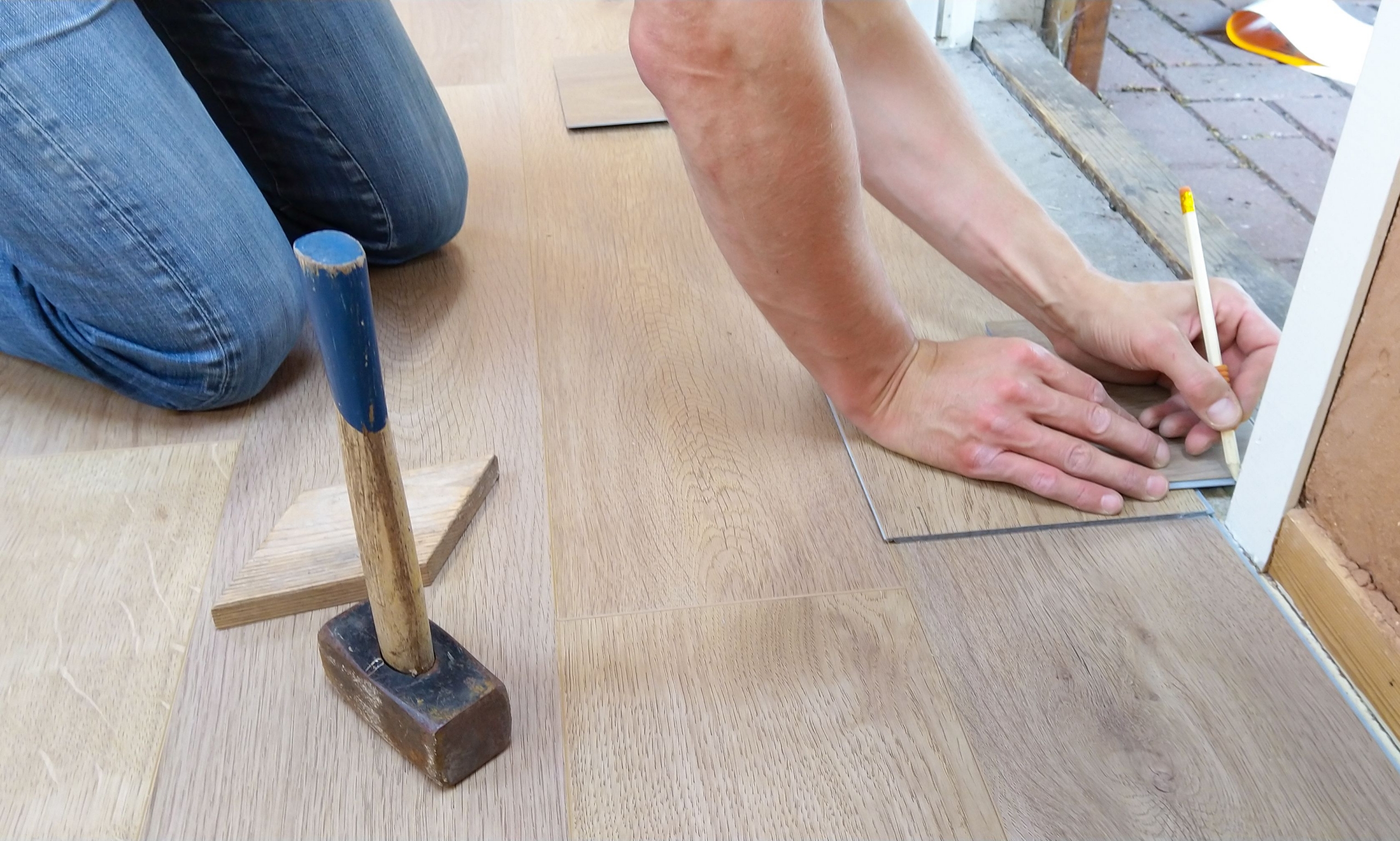
Choose durable, easy-to-maintain materials when making larger improvements, and weigh upgrade costs against expected rental income.
Step 7: Re-key Locks
Re-key or change exterior door locks before a new tenancy begins. Check garage entries and mailbox locks, provide the necessary keys, and maintain a record of those issued.
Step 8: Prepare the Exterior and Landscaping
Improve curb appeal by mowing, trimming overgrown plants, removing debris, and checking fences, gates, and sprinklers. In Utah, plan for seasonal irrigation and snow removal.
Clearly establish who is responsible for lawn care and snow removal, and document those responsibilities in the lease. If you hire a landscaping service, include the expense in your operating budget.
Step 9: Test Appliances and Fixtures
Test every appliance included with the rental, including the refrigerator, stove, oven, dishwasher, garbage disposal, and washer and dryer, if provided. Repair or replace faulty equipment and clarify in writing which appliances are included and who handles repairs.
Step 10: Check for Pests and Moisture
Inspect basements, crawl spaces, attics, and garages for pests, leaks, mold, and water damage. Seal entry points and address moisture problems promptly.
Check that downspouts direct water away from the foundation, the ground slopes away from the house, and ventilation fans function properly. Preventive maintenance can reduce the risk of costly damage.
Step 11: Document the Property’s Condition
Take dated photos and videos of each room, appliance, and exterior area. Prepare a written move-in condition report and review it with the incoming resident.

Thorough documentation helps resolve disagreements about property condition and security deposits.
Step 12: Set the Rent and Market the Property
Research comparable rentals in your neighborhood, considering location, size, condition, and amenities. Price the property competitively and create a listing with quality photos, an accurate description, and clear details about included appliances, pet policies, deposits, and application criteria.
Plan your listing timeline around local rental demand, and allow enough time to prepare the home before advertising it.
Quick Make-Ready Checklist
- Licensing, insurance, and HOA requirements reviewed
- Safety devices tested
- Major systems inspected and serviced
- Plumbing, roof, and gutters checked
- Property deep-cleaned
- Paint, flooring, and fixtures repaired
- Locks rekeyed
- Landscaping and exterior prepared
- Appliances tested
- Photos and condition report completed
- Rent compared with similar local listings
Bottom Line: How Advanced Solutions Property Management Helps New Landlords
A thorough make-ready helps protect your investment, create a positive first impression, and reduce preventable maintenance issues. Complete essential repairs, document the property’s condition, and establish clear expectations before welcoming a resident.
Advanced Solutions Property Management serves rental property owners across Salt Lake and Davis counties, including Salt Lake City, Sandy, Draper, Murray, West Jordan, Bountiful, Farmington, and Layton. The company reports more than 65 years of combined leadership experience and offers in-house maintenance support for make-ready work.
The company advertises no sign-up fees and publishes general pricing for management, placement, and maintenance services. Contact the team to confirm current rates and service terms. Owners can also request a free rental analysis or rental strategy session to help plan their first tenancy.
Contact Advanced Solutions Property Management at (801) 820-0806 or visit aspmanagement.com/contact-us to request a free rental analysis. The office is located at 1360 S Main St, Salt Lake City, UT 84115.
Frequently Asked Questions About Make-Ready Checklists for First-Time Utah Landlords
How Much Should I Budget for Rental Make-Ready Costs?
Costs depend on the property’s age, condition, and maintenance history. Budget for essential repairs, cleaning, landscaping, lock changes, appliance servicing, and optional upgrades. Obtain estimates for larger projects and compare improvement costs with expected rental income. Keep a reserve for unexpected repairs.
Which Repairs Should Utah Landlords Prioritize Before Listing a Rental?
Address safety hazards, plumbing leaks, electrical issues, heating and cooling problems, and other conditions affecting habitability first. Utah’s Fit Premises Act outlines certain landlord responsibilities for maintaining residential rentals. Resolve moisture problems and other damage before focusing on cosmetic upgrades.
Do Utah Landlords Need a Rental License or Inspection Before Leasing?
Requirements vary by municipality and property type. Check with the relevant city or county about business licenses, rental registration, inspections, and housing standards. Review HOA restrictions and confirm that insurance and financing arrangements permit the intended rental use.
When Should I Schedule Make-Ready Work Between Tenancies?
Start planning as soon as you know the property will become vacant. Arrange contractors, order materials, and prioritize major repairs before painting, cleaning, and photography. Account for Utah’s seasonal weather, which can affect landscaping and exterior work, and allow extra time for unexpected repairs.
How Can I Estimate a Competitive Rental Rate After Making Improvements?
Compare nearby rentals with similar locations, layouts, conditions, amenities, and lease terms. Consider current asking rents and local competition. Improvements may enhance appeal, but their costs do not automatically justify higher rent. Review comparable listings again before marketing the property.
Should I Hire a Property Manager for Make-Ready Preparation?
A property manager may coordinate maintenance, repairs, and leasing preparation, helping reduce the work involved in managing a rental. Before hiring one, confirm which services are included, how repair expenses are approved, and whether additional fees apply. Advanced Solutions Property Management offers property management and maintenance services in Salt Lake and Davis counties.
What Records Should I Keep After Completing a Rental Make-Ready?
Keep dated photos, invoices, repair receipts, contractor records, and appliance service information. Retain relevant permits, warranties, disclosures, and lease documents. Organized records help track expenses, establish property condition, identify recurring maintenance issues, and plan future improvements.
- How to Prepare Your House for Renters: A Make-Ready Checklist - October 26, 2026
- Rental KPIs That Matter: How Investors Track Performance - September 22, 2026
- A Guide to the Eviction Process in Salt Lake City, Utah - August 24, 2026
