 Book a Free Property Management Consult
 (801) 820-0806

How Salt Lake City Landlords Can Protect Their Property From Squatters
Rental owners rarely expect someone to move into their property without permission. When it happens, however, the situation can quickly become stressful, expensive, and legally complicated.

Advanced Solutions Property Management encourages Salt Lake City landlords to take unauthorized occupancy seriously without reacting impulsively. Acting quickly matters, but so does identifying the occupant correctly and following the proper legal process.
Key Takeaways
- A squatter does not automatically gain ownership simply by entering or remaining in a property.
- Utah adverse possession claims generally require continuous possession for seven years and payment of property taxes.
- Trespassing, squatting, unauthorized guests, and holdover tenants may require different legal responses.
- Landlords should not use force, shut off utilities, remove belongings, or change locks without confirming they have legal authority.
- Regular inspections, secure vacant properties, and prompt documentation can reduce the risk of unauthorized occupancy.
Why Work With Advanced Solutions?
Learn more about our team and how we help Utah rental property owners succeed.
What Are Squatter Rights?
“Squatter rights” is an informal term commonly used to describe legal protections or claims that may become relevant when someone occupies property without the owner’s permission.
A person does not receive ownership rights simply because they entered a vacant rental home or stayed there for several days. The phrase is usually connected to adverse possession, which is a legal process through which someone may eventually attempt to establish ownership of property they have occupied for an extended period.
Utah law begins with the presumption that the person holding legal title owns and possesses the property. An unauthorized occupant would need to satisfy strict legal requirements before an adverse possession claim could succeed.
Landlords should understand the broader responsibilities and protections established by Utah landlord-tenant law, especially before deciding how to respond to someone living in a rental without clear authorization.
How Adverse Possession Works in Utah
Adverse possession is not a quick or automatic process. Utah requires property to be occupied and claimed continuously for seven years. The person claiming adverse possession and certain predecessors must also have paid the property taxes assessed during that period.
These requirements are established in Utah’s adverse possession statute.
Courts typically examine whether possession was:
- Hostile: The property was occupied without the legal owner’s permission.
- Actual: The person physically occupied or used the property.
- Open and notorious: The occupation was visible rather than concealed.
- Exclusive: The claimant controlled the property independently.
- Continuous: The possession continued for the legally required period.
The seven-year requirement and tax-payment obligation make a successful adverse possession claim difficult. Still, landlords should not ignore an unauthorized occupant simply because an ownership claim appears unlikely.
The more immediate concerns are often property damage, interrupted leasing, unpaid utilities, safety issues, and the time required to recover possession.
Squatting Is Not Always the Same as Trespassing
The occupant’s legal classification can affect what happens next.
Utah law defines a trespasser as someone who occupies real property but never had possessory rights to it. It defines unlawful detainer as unlawfully remaining after receiving a properly served notice to quit and failing to comply with that notice. Those definitions appear in Utah’s forcible entry and detainer laws.
A person discovered entering a vacant property may be treated differently from:
- A former tenant who stayed after the lease ended
- A tenant’s unauthorized roommate
- A guest who was originally allowed to stay
- Someone claiming to have a lease
- A person who paid money or provided something of value to live there
- An occupant who presents fraudulent rental documents
This is why landlords should avoid making assumptions. What appears to be simple trespassing could become a civil possession dispute if the person claims they were given permission or entered into a rental arrangement.
Five Risks Salt Lake City Landlords Face

1. Property Damage
Unauthorized occupants may damage doors, locks, windows, plumbing, appliances, or electrical systems. Damage can become more serious when the property is not being inspected.
2. Lost Rental Income
A property cannot be safely marketed, shown, or leased while an unauthorized person occupies it. Even after possession is recovered, cleaning and repairs may extend the vacancy.
3. Legal Liability
Attempting a self-help removal can create additional problems. Physical confrontation, utility shutoffs, threats, or improper removal of belongings may expose an owner to legal claims.
4. Fraudulent Documentation
Some occupants may present a fake lease, claim they paid rent to another person, or state that someone gave them permission to live in the property. These claims should be documented and reviewed rather than dismissed without investigation.
5. Delayed Discovery
The longer a property goes unchecked, the more time an unauthorized occupant has to settle in, receive mail, move belongings onto the premises, or create the appearance of an established tenancy.
Following a consistent inspection schedule can help landlords identify occupancy concerns sooner. Regular rental property inspections in Salt Lake City also help uncover maintenance problems, lease violations, and unauthorized residents before they become larger issues.
What to Do if You Discover an Unauthorized Occupant
1. Avoid Confrontation
Do not attempt to physically remove the person. If there is an immediate threat, suspected break-in, property damage, or criminal activity, contact law enforcement.
2. Confirm the Property’s Status
Determine whether the property should be vacant and whether any tenant, employee, contractor, family member, or previous owner could have granted access.
Review leases, notices, payment records, emails, maintenance logs, and access information.
3. Document What You Find
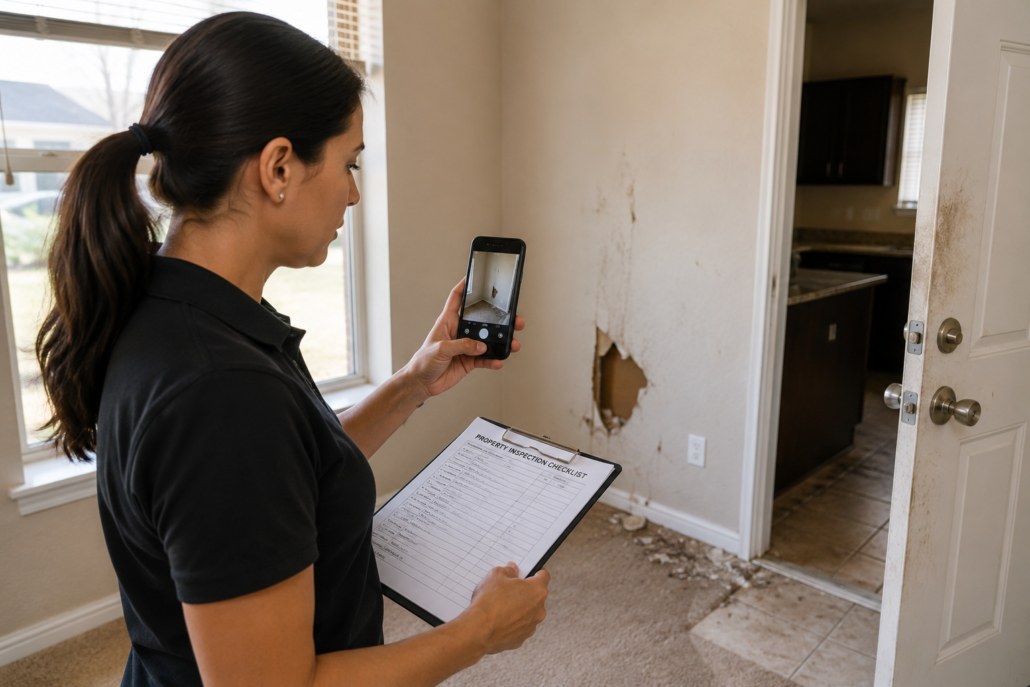
Record the date and time the occupancy was discovered. Preserve photographs, security footage, messages, witness information, damaged locks, and any documents presented by the occupant.
Do not enter the property or photograph private areas unless you have the legal authority to do so.
4. Identify the Occupant’s Claim
Ask how the person entered the property and whether they claim to have permission, a lease, or proof of payment. Avoid arguing about whether their documents are valid.
This information can help an attorney determine whether the situation involves trespassing, an unauthorized guest, a tenancy dispute, or unlawful detainer.
5. Use the Correct Legal Procedure
The proper response depends on the occupant’s status. The Utah eviction process generally involves serving the correct written notice, filing the required court documents if the person does not leave, and obtaining an enforceable court order.
Landlords can review Utah’s eviction process and notice requirements, but legal advice is often appropriate when the occupant’s identity or status is unclear.
Do not change the locks, shut off essential utilities, dispose of belongings, or remove the person yourself unless an attorney or qualified authority confirms that the action is lawful.
How Landlords Can Reduce Squatting Risks

The strongest protection is preventing a vacant property from appearing abandoned or unmonitored.
Practical precautions include:
- Inspect vacant rentals regularly.
- Rekey or replace locks after each tenancy.
- Secure windows, garages, gates, and secondary entrances.
- Remove lockbox codes when they are no longer needed.
- Limit who receives keys and access codes.
- Keep landscaping, snow removal, and exterior maintenance current.
- Ask trusted neighbors to report unexpected activity.
- Collect keys and document possession during move-outs.
- Investigate unexpected utility usage or mail delivery.
- Address unauthorized guests before they become established occupants.
Landlords should also understand applicable Salt Lake City rental laws and compliance responsibilities before serving notices or taking action against an occupant.
Final Thoughts
Squatters do not gain ownership merely by entering a Salt Lake City rental property. Adverse possession requires a demanding set of conditions, including years of continuous occupation and payment of property taxes.
The more immediate risk is allowing an unauthorized occupancy problem to continue unchecked. Landlords should document the situation, avoid self-help removal, determine what rights the occupant claims, and follow the correct legal procedure.
Advanced Solutions Property Management helps rental owners maintain oversight, reduce extended vacancies, conduct property inspections, and address occupancy concerns before they develop into larger problems. Because each case is different, landlords dealing with a current squatter or disputed occupant should also speak with a qualified Utah attorney.
Need Help Managing Your Rental?
Talk with our team about your property and get expert guidance tailored to your investment goals.
- Rental KPIs That Matter: How Investors Track Performance - September 22, 2026
- Utah Security Deposit Laws - July 30, 2026
- How Salt Lake City Landlords Can Protect Their Property From Squatters - July 10, 2026

