 Book a Free Property Management Consult
 (801) 820-0806
Condo Property Management vs. HOA Management: What’s the Difference?
Key Takeaways
- Condo property management and HOA management serve different purposes. Condo management typically focuses on condominium association operations, shared building systems, and common areas, while HOA management oversees community-wide rules, amenities, and association responsibilities.
- Both management services support board members, coordinate maintenance, manage association finances, and communicate with residents. However, their responsibilities depend on the property’s governing documents and the services included in the management agreement.
- Choosing the right management company requires understanding your community’s needs, reviewing the scope of services, and evaluating experience, communication practices, and financial transparency.
Managing a condominium or homeowners association requires careful coordination of finances, maintenance, community standards and resident communication. While condo and HOA management share many responsibilities, each involves different operational priorities and property considerations.
Understanding these differences can help association board members identify the services their community needs and choose a management partner that can provide the right support.
Advanced Solutions Property Management helps residential communities manage their day-to-day association responsibilities with organized, reliable support. Whether your community is a condominium building or a planned HOA development, understanding how each management model works is an important first step toward maintaining shared spaces, supporting residents and protecting the community’s long-term interests.
Get in Touch with Our Experts!
What Is Condo Property Management?
Condo property management involves overseeing the daily operations of a condominium community on behalf of its association.

Unlike traditional rental property management, which primarily serves landlords and tenants, condominium association management generally focuses on shared property responsibilities and supporting the association’s board of directors.
Common responsibilities include:
- Coordinating maintenance of shared building areas.
- Managing common-area repairs and inspections.
- Overseeing association budgets and financial records.
- Collecting condominium association fees.
- Communicating with unit owners and board members.
- Coordinating vendors and service providers.
- Supporting enforcement of association rules.
Condominium communities may include shared roofs, elevators, hallways, parking garages, and mechanical systems that require coordinated maintenance.
A professional condo manager helps organize these responsibilities while supporting the board’s decisions.
What Is HOA Management?
Homeowners association (HOA) management focuses on the administration and maintenance of residential communities governed by an HOA.
These communities often include single-family homes, townhouses, or planned residential developments with shared amenities and established community standards.
HOA management services commonly include:
- Collecting association dues and maintaining financial records.
- Coordinating landscaping and common-area maintenance.
- Supporting community rule enforcement.
- Managing vendor contracts.
- Organizing board meetings and community communications.
- Assisting with budgets and reserve planning.
- Overseeing shared amenities such as pools or clubhouses.
HOA managers work closely with elected board members to help maintain community standards and protect shared property values.
The exact responsibilities depend on the association’s governing documents and management agreement.
Key Differences Between Condo and HOA Management
Although both services support community associations, their management priorities often differ.
Property Maintenance Responsibilities
Condominium associations frequently oversee shared building structures and systems, which may include roofs, exterior walls, elevators, and common plumbing infrastructure.

HOAs often focus on community-wide amenities, landscaping, private roads, and shared recreational spaces.
However, maintenance responsibilities vary by association. Some HOAs maintain building exteriors, while certain condominium components remain the responsibility of individual unit owners.
Financial Management
Both condo and HOA managers assist with financial administration, including budgets, assessments, vendor payments, and financial reporting.
Condominium associations may require substantial reserve planning for expensive shared building components.
HOAs may allocate more resources toward landscaping, community amenities, infrastructure, and neighborhood improvements.
Rules and Community Standards
Condominium rules often address shared building concerns, such as noise, renovations, common-area usage, and parking.
HOA rules may focus on exterior property appearance, landscaping, architectural changes, and community amenities.
In both cases, enforcement authority comes from applicable laws and the association’s governing documents.
Learn more About Our Property Management Team
Understanding Management Costs
The cost of condo or HOA management depends on the size, complexity, and service requirements of the community.
Several factors can influence management fees:
- Number of residential units.
- Size and condition of shared facilities.
- Maintenance and vendor coordination needs.
- Financial reporting requirements.
- Frequency of board meetings.
- Resident communication responsibilities.
- Administrative and compliance support.
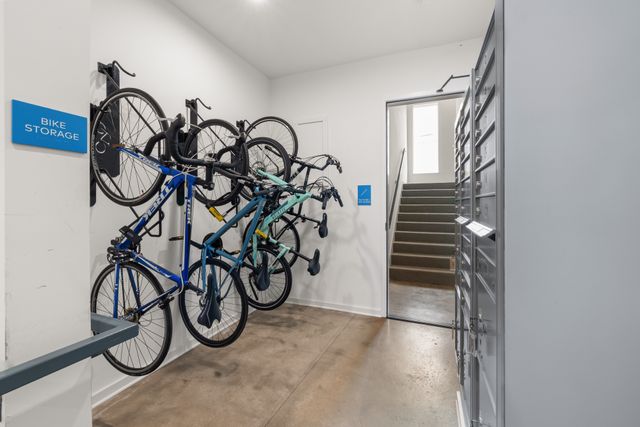
A condominium building with elevators, shared mechanical systems, and extensive maintenance requirements may need a different management approach than a smaller neighborhood HOA.
Board members should request detailed service proposals and review which responsibilities are included in the quoted management fee.
Get Professional Association Management Support
Choosing a management company should involve more than comparing monthly fees.
An experienced association management team can help board members evaluate maintenance priorities, organize financial responsibilities, and establish consistent communication procedures.
Before signing an agreement, ask about the company’s experience with your community type, reporting practices, vendor selection, and additional service charges.
Common Challenges in Condo and HOA Management
Both condominium and homeowners associations face operational challenges that require careful planning.
Common issues include:
- Delayed maintenance and repairs.
- Disagreements over association rules.
- Unexpected expenses or special assessments.
- Inadequate reserve planning.
- Poor communication between residents and board members.
- Difficulty finding reliable contractors.
- Unclear maintenance responsibilities.
A professional manager can help coordinate solutions, maintain records, and provide administrative support.
However, the association’s board generally retains its governing responsibilities and decision-making authority.
How to Choose the Right Management Company
Selecting a management company requires understanding the community’s operational needs.
Board members should consider:
- Relevant experience: Does the company manage similar condominium buildings or HOA communities?
- Financial transparency: How frequently are financial reports provided?
- Maintenance coordination: How are repairs, inspections, and vendor contracts handled?
- Communication: How can residents and board members submit questions or requests?
- Service agreements: Which responsibilities are included, and which involve additional fees?
- Local knowledge: Does the company understand applicable association regulations and local property requirements?
Reviewing references and requesting a clear management proposal can help associations make informed decisions.
The Role of Professional Association Management
Professional management companies support board members by handling administrative tasks, coordinating maintenance, and organizing financial operations.

Their services may include preparing budgets, maintaining association records, coordinating contractors, and communicating with residents.
For condominium communities, this support may involve managing shared building systems and planning major repairs.
For HOAs, it may focus on neighborhood amenities, architectural review procedures, and common-area upkeep.
The right management approach allows board members to concentrate on community priorities while maintaining organized daily operations.
Bottom Line
Although condo property management and HOA management share responsibilities such as financial administration, maintenance coordination and resident communication, their priorities can differ based on the community’s structure and governing documents.
Condominium associations often need support with shared building systems and major structural components, while HOAs may focus more heavily on neighborhood amenities, landscaping and community standards.
Choosing the right management company starts with understanding your association’s responsibilities, reviewing the services you need and comparing management agreements carefully.
Professional property management can help board members organize daily operations, coordinate vendors and maintain clear financial and resident communications. Advanced Solutions Property Management can help your association explore the management support needed to keep its community running smoothly.
Frequently Asked Questions
What Is the Main Difference Between Condo Property Management and HOA Management?
Condo property management typically focuses on condominium association operations, shared building components, and common areas. HOA management generally supports planned communities, neighborhood amenities, and community standards. Both services provide administrative, financial, and maintenance coordination support, but their exact responsibilities depend on the association’s governing documents.
Is Condo Management More Expensive Than HOA Management?
Not necessarily, although condominium communities with complex shared building systems may require more extensive maintenance coordination. Management fees depend on the number of units, amenities, service requirements, and administrative workload. Associations should compare detailed proposals rather than assuming one type of management is always more expensive.
Can the Same Company Manage Condos and HOAs?
Yes, many association management companies provide services for both condominium and homeowners associations. However, experience with one community type does not automatically guarantee expertise with another. Board members should confirm that the company understands their property’s maintenance responsibilities, governing documents, and operational requirements.
Who Is Responsible for Repairs in a Condo or HOA Community?
Repair responsibilities depend on the association’s governing documents and applicable laws. Condominium associations often maintain common building elements, while HOAs frequently oversee shared amenities and community infrastructure. Individual owners may remain responsible for certain property components, so associations should review their documents before assigning repair obligations.
What Services Should a Professional Association Management Company Provide?
A professional association management company may provide financial reporting, fee collection, maintenance coordination, vendor management, and board meeting support. Additional services can include resident communications, recordkeeping, and assistance with community rule enforcement. Board members should review the management agreement to confirm which services are included and how the company handles ongoing operational needs.
- Condo Property Management vs. HOA Management: What’s the Difference? - November 24, 2026
- Utah Security Deposit Laws - July 30, 2026
- How Salt Lake City Landlords Can Protect Their Property From Squatters - July 10, 2026
